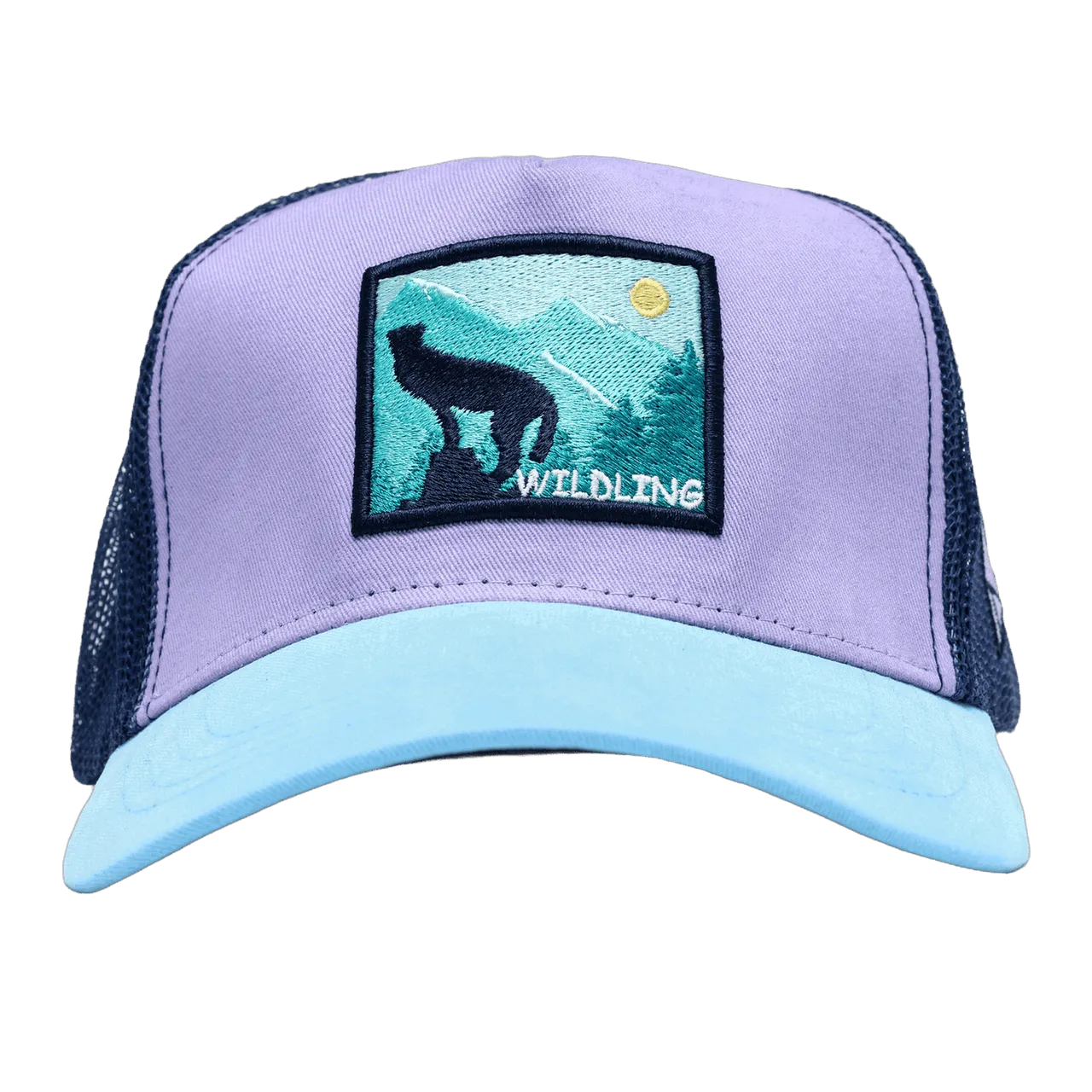
Wildling's sketch came from a single dusk on a trek, but the Chapter's spirit is really about a much bigger version of that feeling — the one you get properly on a South African safari, where the wild isn't a backdrop, it's actively walking past your vehicle at eye level.
Kruger National Park is the obvious starting point, and it's obvious for a reason: self-drive is genuinely possible here, which most major safari destinations don't allow. You can rent a car in Johannesburg, drive yourself in through one of the southern gates, and see the Big Five without ever booking a guided vehicle — though a guided game drive at dawn or dusk, when most predators actually move, is worth doing at least once.
Best light, and the best odds of an actual sighting, are both in the first two hours after sunrise and the last two before dark. The middle of the day is for driving between camps and finding shade.
For something smaller and more personal, the private reserves bordering Kruger — Sabi Sands especially — trade the self-drive freedom for off-road tracking and closer sightings, at a real cost difference. Worth it once, if the budget allows. May to September (the dry winter months) is the strongest window: thinner bush means better visibility, and animals cluster around the remaining water sources.
Pack for genuinely cold early mornings in an open vehicle — it's colder than the daytime heat suggests — and for a lot of dust for the rest of the day. A cap with a real brim matters here too, less for looking the part and more because safari hours are dawn and dusk, exactly when low sun is hardest on your eyes through binoculars.
This is the trip Wildling was always pointing toward, even if the actual sketch came from somewhere smaller. If the Chapter's story made you want the bigger version of that dusk, Kruger — self-driven, patient, unhurried — is where to actually go looking for it.