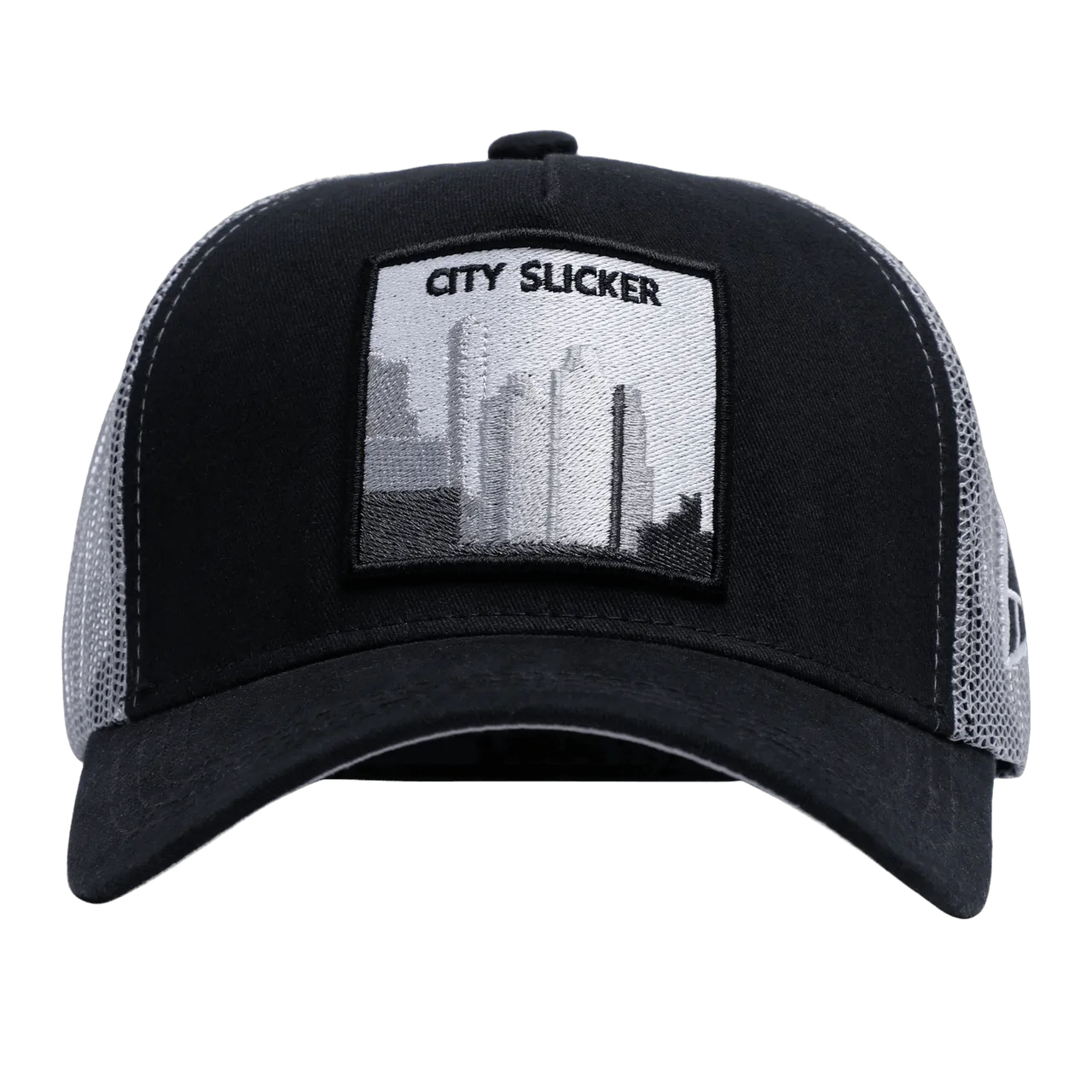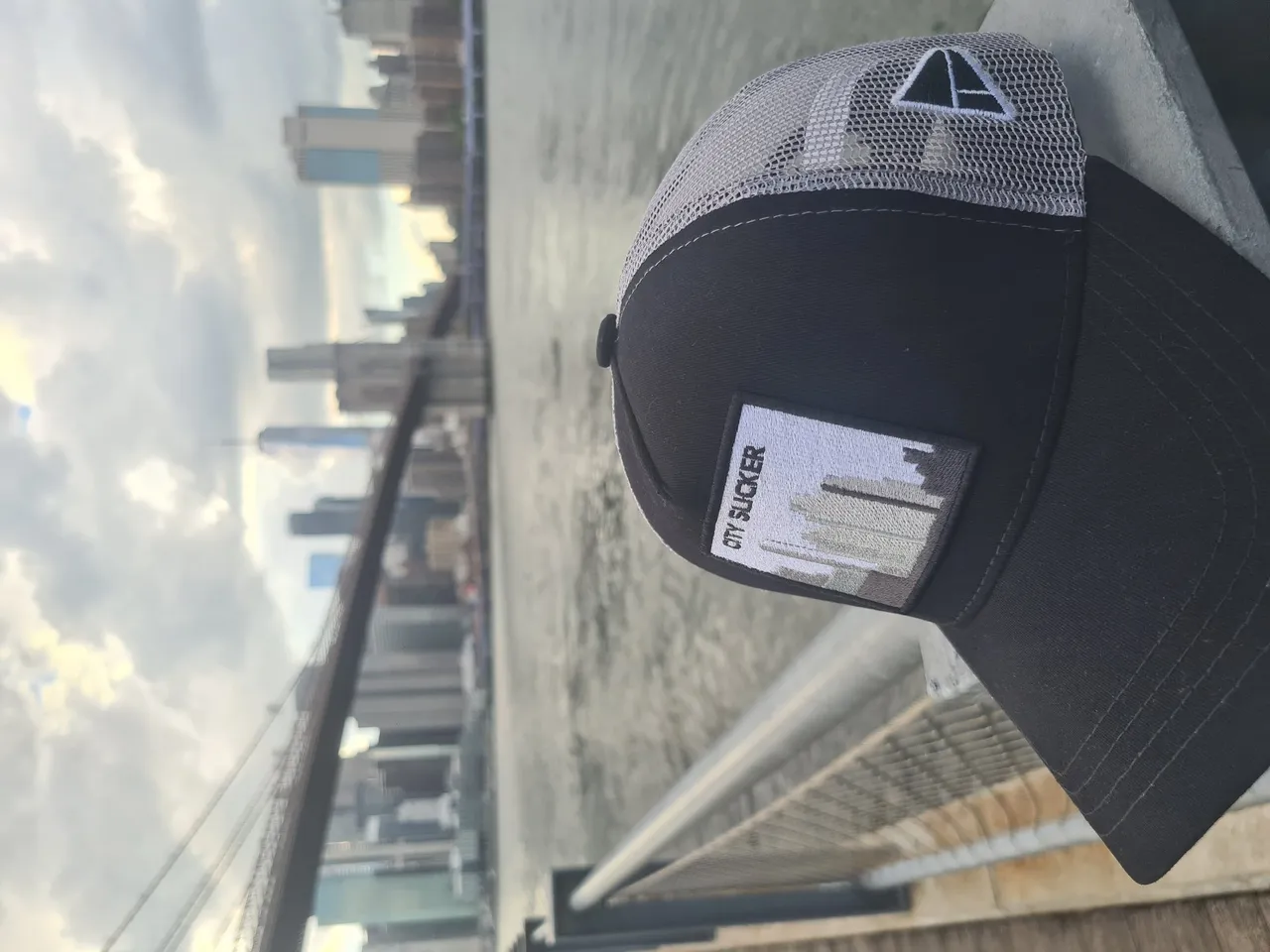
There's a kind of traveller who feels a little guilty about loving cities. Like the real trip is supposed to involve a tent, a summit, or at minimum some visible discomfort. We'd like to push back on that, gently, from underneath a City Slicker cap somewhere on a Manhattan sidewalk at 7 a.m., before the crowds and with the light doing something nice off the glass towers.
A weekend in a new city is its own kind of trail — you just navigate by coffee shops and cross streets instead of ridgelines. The rules of a good one are roughly the same as a good hike: start early, carry less than you think you need, and don't over-plan the middle of the day.
Morning is for walking without a destination. Pick a direction, put on a cap that can handle wind off the water and a full day outside, and go until something stops you — a bakery, a bookstore, a bridge you didn't know was there. This is when a city gives up its actual character, before it's fully awake and performing for tourists.
City Slicker Black exists for exactly this — the same skyline, hours later, once the sun's fully down and the lights have taken over the sketch instead.
Afternoon is for one deliberate thing — a museum, a market, a neighbourhood you specifically wanted to see — and then getting comfortably lost on the walk back. Evening is for the version of the city that only shows up after dark: rooftop lit windows, a skyline that reads completely differently in black than it did in grey daylight. That shift is the whole reason City Slicker comes in two moods instead of one.
You don't need a car, a plan, or a mountain to have a real trip. You need a weekend, a cap, and the willingness to treat an unfamiliar subway map the way you'd treat a trailhead — as something to figure out as you go.