Ishan Seth sketches with charcoal, not a tablet. Old-school, on purpose. "There's something about the resistance of paper," he says. "A stylus never fights back. Charcoal does — it smudges, it argues, it makes you slow down and actually look at what you're drawing instead of what you remember it looking like."
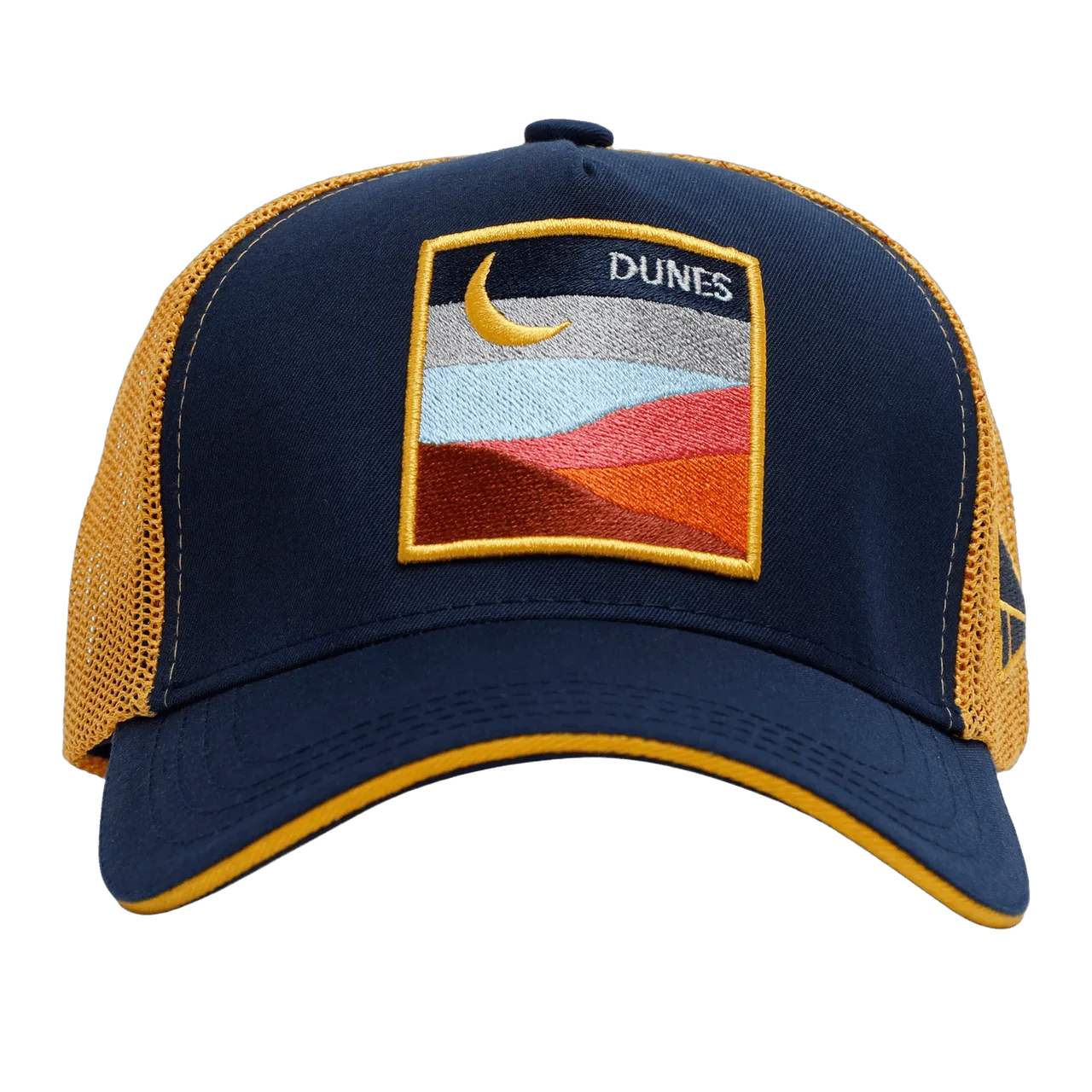
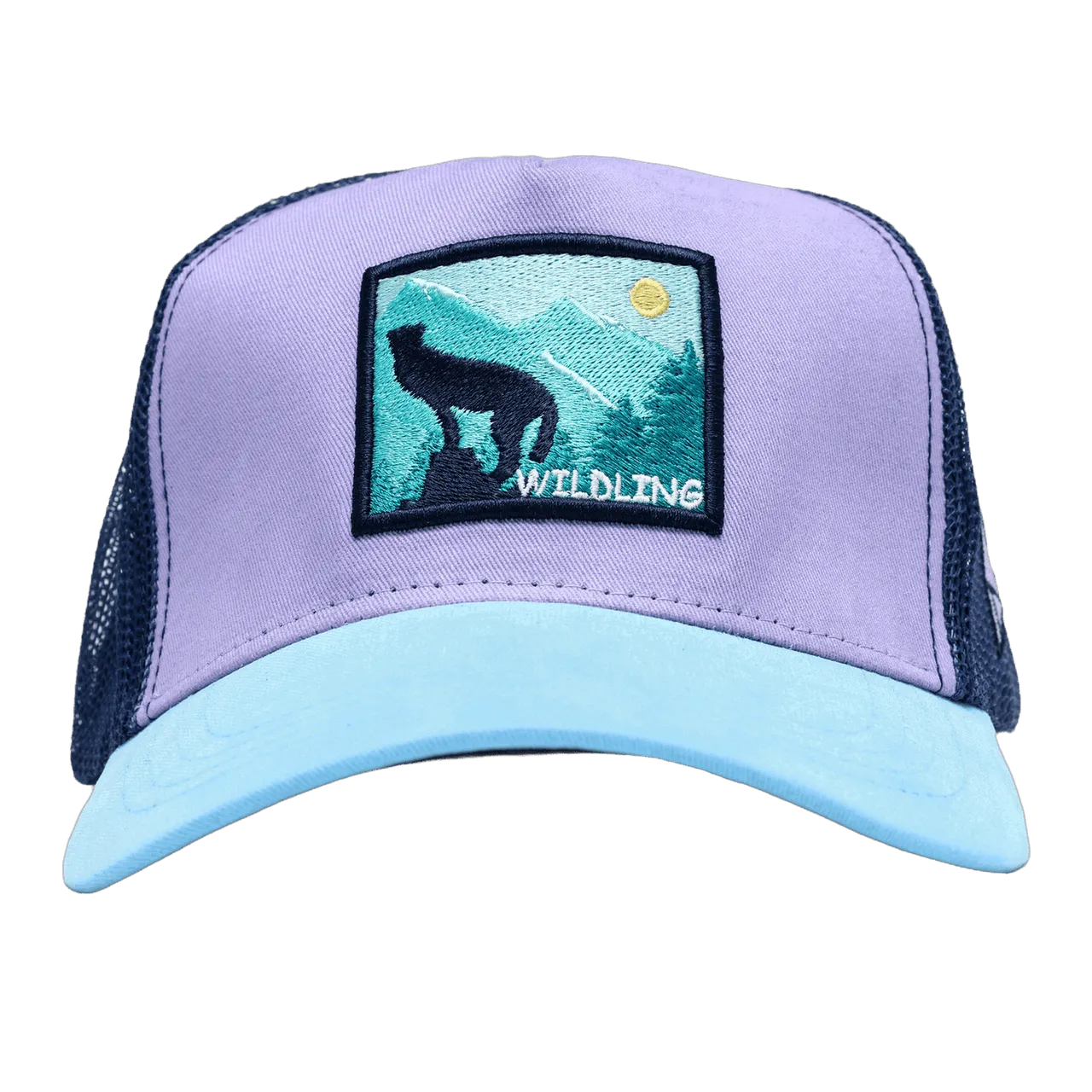
Every Chapter begins here, at a desk with a smudged hand, months before a single thread goes into a machine. Not with a mood board or a trend report — with a specific place, seen at a specific hour. Dunes Yellow started as three lines scratched out at 6 a.m. in the Thar, trying to catch the exact minute before the sand goes from gold to white-hot. Wildling started as a wolf on a rock that Ishan swears he actually saw, though nobody else on that trek did.
The art has to survive being wrong twice before it's right once.
The charcoal sketch is the easy part, relatively speaking. What follows is a slow, humbling translation: from paper to a digital render, then to a colour-separated file a machine can actually stitch, then to a physical thread sample that almost never matches the screen. "Digital colour lies to you," Ishan says. "A blue that looks perfect on a monitor comes out flat and lifeless in 3D embroidery. You have to keep sending it back."
That back-and-forth is where most of a Chapter's development time actually goes — not in the drawing, but in the arguing with thread. A tech pack gets marked up, a sample patch comes back, someone holds it next to the original sketch under real daylight and says no, warmer, and it goes back again. Border thickness has to match across an entire Series so the patches feel like a family, not a grab-bag. Height and width get measured to the tenth of an inch. None of this shows up in the final product description. All of it shows up if you get it wrong.
By the time a patch is small enough to sit on the front of a five-panel trucker — usually somewhere around 2.3 by 2.7 inches — it has been redrawn, rejected, and re-approved more times than anyone involved would like to admit. What's left is a compressed version of a real place and a real hour, stitched down so it survives rain, sun, and several hundred wears.
That's the part we think gets lost when a cap becomes just "merch." Nothing on a Travaholic cap is a stock graphic dropped onto a template. It's a sketch that had to earn its way onto your head — one revision at a time.